
Field of expertise
Precision in testing
Excellence in support


About
pesticides
Due to either your own practices or external factors, pesticide residues may be present on your food sample. To minimize exposure to these substances, permissible amounts are regulated by maximum residue levels (MRLs).
To ensure your products meet these strict standards, accurate and fast analyses are essential. Primoris has developed advanced methods that provide the highest level of assurance.
Pesticides
lab methods
Pesticide residues can affect product safety, compliance and market access. Reliable testing is therefore essential throughout the food and feed supply chain.
Our multi-residue methods cover a broad range of active compounds, helping producers and exporters verify their products against applicable requirements.

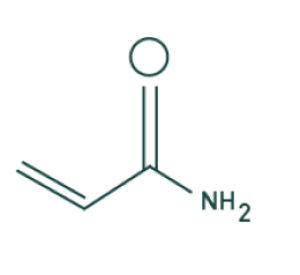
GMS and LMS multi-residue methods
Our GMS and LMS methods detect a broad range of pesticide residues in a single analysis. Together, they provide comprehensive coverage across different compound groups and product types.
Testing for organic food
Organic products require careful monitoring for pesticide residues. Our analyses help identify potential residues and provide reliable information to support compliance checks and supplier follow-up.
Testing for baby food
Baby food is subject to particularly strict pesticide residue requirements. Our sensitive analytical methods help manufacturers verify their products and monitor residues at very low concentrations.
And many more..
Our scope includes additional pesticide analyses tailored to different products and regulatory requirements. Contact us to find the right testing approach for your product.

About
contaminants
Contaminants are substances that can unintentionally enter in food during various stages of environmental exposure, storage, production, packaging, and transport. They can pose risks to both human and animal health, which is why regulatory maximum levels (MLs) are established to protect consumers.
While gaining more legal attention, think of elements and mycotoxins, new recommendations and limits are to be followed. Primoris monitors these developments closely. We provide methods for detecting both regulated and unregulated - yet relevant - contaminants.
Contaminants
lab methods
To minimize risks and optimize capacity, we specialize in rapid contaminant testing.
Keeping an eye on market challenges and legislation updates, our Development Team remains vigilant, continuously innovating and applying new methods.

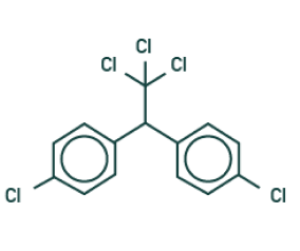
Mineral oil hydrocarbons
Mineral oil hydrocarbons can enter food through environmental contamination, machinery lubricants, release agents, processing aids, food additives, or migration from packaging materials.
Our analyses cover MOSH and MOAH to help identify and manage potential contamination risks.
Aflatoxins and ochratoxin
Aflatoxins and ochratoxin A are mycotoxins produced by certain moulds. They may occur in products such as cereals, nuts, spices, coffee and cocoa, particularly under unfavourable storage conditions.
Multi-mycotoxin screening
Food and feed products may contain several mycotoxins at the same time.
Our multi-mycotoxin method screens for multiple compounds in a single analysis, providing broader insight into potential contamination.
And many more...
Our scope includes additional contaminant analyses for food and feed products. Contact us to find the right testing approach for your product.

About
microbiology
Our laboratory offers microbiological analyses to help assess the safety and quality of food and feed products. Our services include the detection of relevant pathogens as well as the enumeration of key microbiological parameters.
With reliable methods and dedicated expertise, we help you monitor your products and manage microbiological risks.
Microbiology
lab methods
Microbiological testing helps identify pathogens and other microorganisms that may affect product safety, quality and shelf life.
We combine established culture-based methods with PCR technology to provide reliable results for a broad range of food and feed products. At the same time, we continue to expand our analytical capabilities in response to evolving customer needs.


Basic microbiology parameters
Basic microbiological parameters provide an overall indication of the microbiological quality and hygiene of a product. They help detect potential issues related to production, handling or storage and support routine quality control.
Pathogen detection by PCR
We use PCR technology for the rapid and specific detection of relevant foodborne pathogens, including Salmonella and Listeria monocytogenes.
Microbiological enumeration
Our enumeration methods determine the levels of relevant microorganisms in a product. These analyses support hygiene monitoring, quality control and the assessment of product stability.
Continuously expanding our expertise
Our microbiology services continue to evolve. We invest in new methods and analytical capabilities to respond to changing risks, product requirements and customer needs.

About
quality parameters
Quality parameters provide essential information about the composition, condition and stability of oils and fats. They help producers monitor product quality, detect deterioration and verify whether products meet the required specifications.
At Primoris Côte d’Ivoire, we determine key quality parameters using automated titration methods. Automation enables consistent and accurate measurements while reducing manual variation.
Our analyses give producers and exporters reliable information to support quality control throughout production, storage and trade.
Quality parameters
lab methods
Our automated titration methods provide reliable and reproducible information about the quality and condition of oils and fats.
By combining specialised equipment with local expertise, we help producers and exporters monitor their products and make informed quality decisions.


Fatty acids
Free fatty acids are an important indicator of the quality and condition of oils and fats.
Elevated levels may point to hydrolytic degradation caused by factors such as moisture, processing or storage conditions.
Iodine value
The iodine value indicates the degree of unsaturation of an oil or fat.
It provides useful information about its composition, identity and expected oxidation behaviour.
Peroxide value
The peroxide value measures primary oxidation products in oils and fats.
It is commonly used to assess early-stage oxidation and monitor product freshness and stability.
Continuously expanding our expertise
Our services continue to evolve. We invest in new methods and analytical capabilities to respond to changing risks, product requirements and customer needs.