
Field of expertise
Precision in testing
Excellence in support


About
pesticides
Due to either your own practices or external factors, pesticide residues may be present on your food sample. To minimize exposure to these substances, permissible amounts are regulated by maximum residue levels (MRLs).
To ensure your products meet these strict standards, accurate and fast analyses are essential. Primoris has developed advanced methods that provide the highest level of assurance. Our services cater to your needs, with reports available in as little as 8 hours or less for certain methods.
Pesticides
lab methods
With over 40 pesticide-testing methods, we cover more than 1.000 active compounds, ensuring thorough and reliable analysis. Our comprehensive reports offer detailed insights into current legislation and assist you in risk assessments.

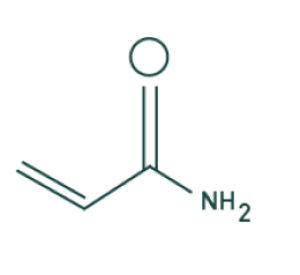
Dithiocarbamates
A class of fungicides that have been widely used in agriculture. Get in touch to find out how we can exclude natural occurring CS2 from your result.
Ethylene Oxide
This controversial substance is not approved by the European Union but this carcinogenic pesticide is still to be found on many foods.
Phosphonic Acid
Is often found as a residue in food due to its use in agriculture. Phosphonic acid is among other things a degradation product of the fungicide fosteyl-aluminum, which is used to control various plant diseases.
And many more..
Our scope contains many other testing methods. Reach out to know more!

About
contaminants
Contaminants are substances that can unintentionally enter in food during various stages of environmental exposure, storage, production, packaging, and transport. They can pose risks to both human and animal health, which is why regulatory maximum levels (MLs) are established to protect consumers.
While gaining more legal attention, think of elements and mycotoxins, new recommendations and limits are to be followed. Primoris monitors these developments closely. We provide methods for detecting both regulated and unregulated - yet relevant - contaminants.
Contaminants
lab methods
To minimize risks and optimize capacity, we specialize in rapid contaminant testing. Keeping an eye on market challenges and legislation updates, our Development Team remains vigilant, continuously innovating and applying new methods.

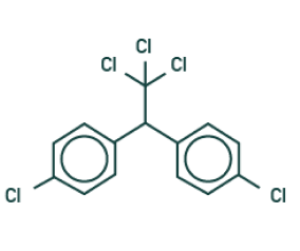
Mineral Oil Hydrocarbons
Mineral oil hydrocarbons can enter food through various sources, including environmental contamination, machinery lubricants, release agents, processing aids, food additives, or migration from packaging materials. There are two main types of mineral oil contaminants in food: mineral oil aromatic hydrocarbons (MOAH) and mineral oil saturated hydrocarbons (MOSH).
Mycotoxins
Mycotoxins are unpredictable contaminants found in food and feed around the world. Produced by fungi, they tend to appear in specific hotspots. Although over 300 different mycotoxins have been identified, six of them are consistently found in food and feed.
Elements
Food can be contaminated by heavy metals, which can occur naturally in the environment or as a result of industrial activities. Common heavy metals include arsenic, lead, mercury, and cadmium, all of which can pose serious health risks if consumed in high levels. Our testing services can detect not only these common contaminants but also many others.
And many more...
Our scope contains many other testing methods. Reach out to know more!

About
allergens
Food allergies and intolerances are critical health issues that require effective management. Clear information about the nature and composition of food products is essential for consumers with these conditions. Our advanced testing methods verify the presence of allergens, supporting your commitment to food safety and regulatory compliance.
Allergens
lab methods
We provide allergen testings on a wide variety of food products. Our team is constantly working on the development of new methods, don't hesitate to reach out with any specific inquiries.


Peanuts
Peanut allergy is one of the most common food allergies, which can lead to severe allergic reactions (anaphylaxis). Peanuts (legumes) are not the same as tree nuts (i.e. almonds, cashews, ..) and therefore require a seperate analysis.
Soy
Soy is increasingly being used in food products as an alternative to animal milk. In addition, the exposure to soy containing products increases (i.e. tofu and vegetarian products).
Gluten
Gluten allergies, also known as gluten sensitivity, are triggered by proteins in cereals such as wheat, rye, barley, oats or spelt. Use this analysis to verify if your product can be sold as "gluten free" on the food market.
Other allergens
Reach out to us if you want to know more about other allergen testings we offer.