
Allergens
Behind the label
Reliable allergen testing

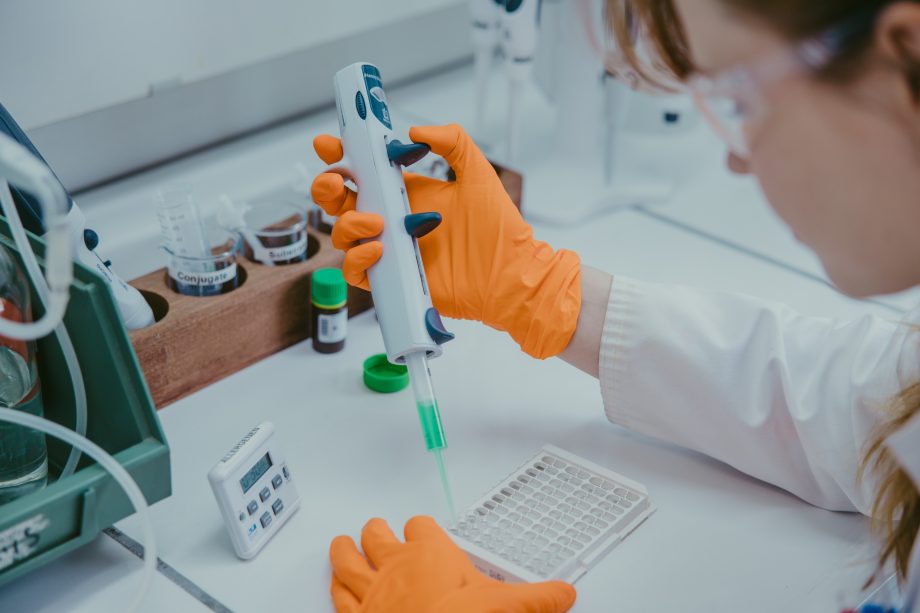
Trace it. Test it. Trust it.
The importance of allergen testing
For QA professionals, allergen testing is essential. It maintains product safety, regulatory compliance and brand trust.
Cross-contamination or mislabeling can result in serious health risks for consumers with allergies. Testing helps verify that products labeled as allergen-free truly meet strict standards, ensuring transparency and reducing risks.
By implementing rigorous allergen testing, companies can protect their consumers, uphold industry regulations, and demonstrate their commitment to safety.
Understanding allergens

What is an allergen?
An allergen is typically any substance that can trigger an immune response in sensitive individuals. Allergens can include pollen, insect stings (like bee venom), cosmetics, certain chemicals in cleaning products and many more. These substances can provoke a range of reactions, from mild irritation to severe symptoms, depending on the individual.
What is a food allergy?
A food allergy occurs when the immune system reacts to specific proteins in food as if they were harmful. This immune response can cause symptoms ranging from mild discomfort, such as rashes or stomach upset, to severe reactions like anaphylaxis, which can be life-threatening.
Because food allergies can result from a single allergen or a combination of substances, detailed and accurate testing is essential to protect consumers and ensure product safety.
Ensuring quality with allergen testing
Allergen testing is a critical part of maintaining high standards in food production. It helps businesses ensure their quality management systems are effective and prevents cross-contamination during production.
By integrating allergen testing into quality control, companies can validate cleaning protocols, monitor the effectiveness of their quality systems and protect their reputation by avoiding recalls.
Download our infosheet
Ensure safety, build trust
Download our comprehensive guide, Allergen management in food: from detection to protection and gain insights in regulations, labelling and analytical techniques.