
Whitepapers & infosheets
Sharing our whitepapers & infosheets with you

- Infosheet
Understanding TFA in food
Author: Lore SampersTFA is increasingly being detected in food and the environment. But what does that actually mean? Our latest information sheet explains what TFA is, where it comes from, why it is attracting growing regulatory attention and what QA professionals should know today.
- Infosheet
1,2,4-triazole: beneath the surface of water monitoring
Author: Lore Sampers, Nina Biesemans1,2,4-triazole is a relevant metabolite of triazole fungicides that has no specific MRL under Regulation (EC) No 396/2005. Unexpected detections of 1,2,4-triazole are becoming more frequent across the food chain. Understanding what sits behind the result is essential before drawing conclusions.
- Whitepaper
Allergen analysis, why one size does not fit all
Author: Marie Deckers, Nina BiesemansConflicting allergen test results are an all-too-familiar challenge for QA teams in the food industry. When different analytical methods or laboratories produce different outcomes, one critical question quickly arises: Which result do you trust and how do you justify that decision during an audit or customer discussion?

- Whitepaper
Food allergens: what's behind the label?
Author: Marie DeckersBehind every food label lies a complex framework of regulations, science and risk assessments designed to protect consumers with allergies. This whitepaper offers a dive into the legislative landscape around allergen labelling as well as practical guidance on managing unintentional allergen presence.

- Infosheet
Allergen management in food: from detection to protection
Author: Nina BiesemansFood allergies are a growing global concern, making accurate allergen detection and clear labelling essential for consumer safety.
- Whitepaper
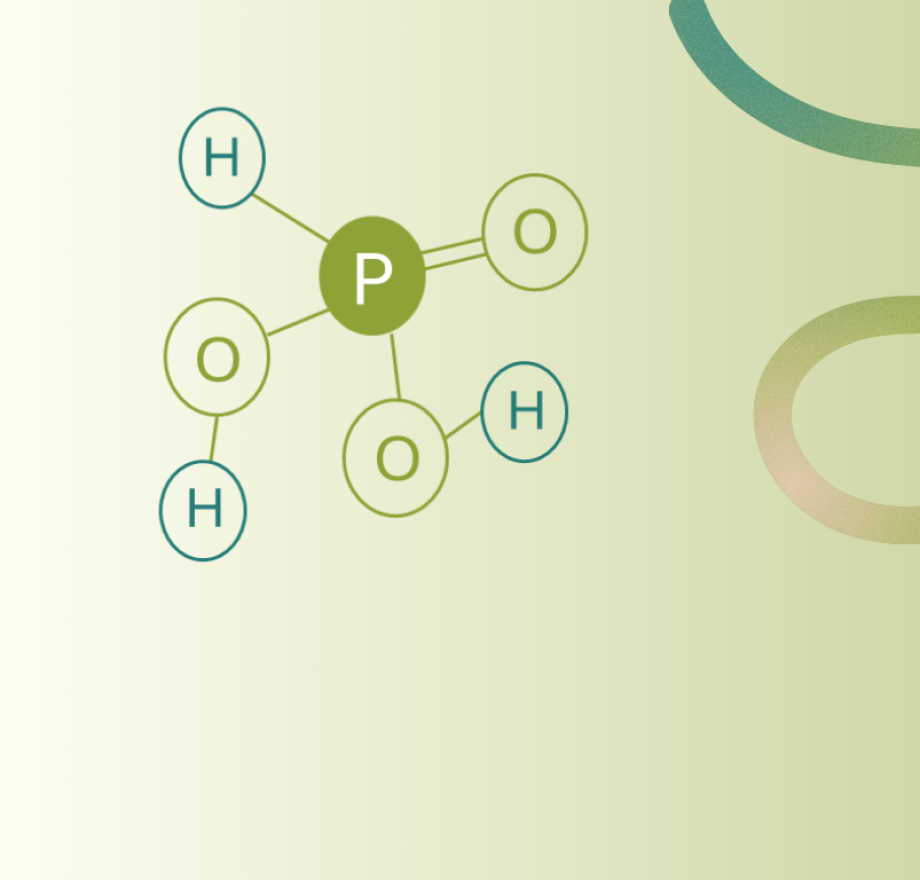
Unpacking phosphonic acid
Author: Nina BiesemansPhosphonic acid continues to challenge both conventional and organic food producers. Its complex origins, evolving regulatory status, and analytical limitations make it a difficult residue to manage. This paper unpacks why phosphonic acid matters—and what producers need to know to stay compliant.

- Whitepaper
Slurry mixing: recipe for reliable results
Author: Bram Miserez, Nina BiesemansSlurry mixing is a groundbreaking technique for analyzing unevenly distributed contaminants in food and animal feed. By making samples more representative and reducing the margin of error, it performs better than traditional dry milling methods. Discover how this technique guarantees reliable results and protects your production processes.
- Whitepaper
Alternative sources for pesticides
Author: Nina BiesemansPesticide residues in food can often be misinterpreted, leading to industry disputes. This white paper explores how non-pesticide sources cause positive results and offers tips for preventing contamination.
- Whitepaper
MCPD analysis in oils and fats
Author: Marie DeckersDiscover more on the production of 2-MCPD, 3-MCPD and glycidyl esters in vegetable oils and fats. Learn which regulations are applicable on these contaminants. And find out more on the different analysis methods and what differentiates them.
- Infosheet
Acrylamide: heated with a twist
Author: Marie DeckersDiscover more on the contamination of your heated products with acrylamide. Learn how this contaminant can be formed during heat processing and discover how we can help you with the analysis of your food product.

- Whitepaper
Pyrrolozidine alkaloids: a wolf in sheep's clothing
Author: Nina BiesemansPyrrolizidine alkaloids (PAs) are harmful toxins found in various plants, posing serious health risks. This white paper outlines the key sources of PAs in food, the latest regulations and effective methods for ensuring food safety.
- Whitepaper
Dithiocarbamates: tricky by nature
Author: Marie Deckers, Nina BiesemansDithiocarbamates (DTCs) are a group of organosulfur fungicides, widely used for decades to control hundreds of fungal pathogens in a variety of crops. DTCs are very unstable and therefore metabolise quickly to carbon disulfide. This causes important analytical challenges. Find out more.

- Infosheet
Nicotine on food: clearing the smoke
Author: Nina BiesemansNicotine is the main alkaloid in tobacco and other tobacco species; it is also found in low concentrations in other crops belonging to the family of Solanaceae. Due to its insecticidal capacity, the compound was used as an active substance in plant protection products in the past.
- Whitepaper
Harmonised action limits for MOAH in food
Author: Marie DeckersMineral oil hydrocarbons (MOH) are a complex mixture of hydrocarbons, which are chemical compounds of different sizes and structures. MOH are mainly derived from crude oil. The group of MOH comprises both ‘aromatic’ hydrocarbons (MOAH) and ‘saturated’ hydrocarbons (MOSH). How are these MOH analysed, and is there regulation?
- Whitepaper
Challenges in mineral oil analysis
Author: Marie DeckersMineral oil hydrocarbons (MOH) are a complex mixture of hydrocarbons, which are chemical compounds of different sizes and structures. The analysis of mineral oil is known to be precarious on food samples containing oils and fats. Find out more on this topic in our whitepaper.