

Live Event
Result interpretation and variation
About this event
An analysis report contains a lot of important data that is necessary for the destination of your destiny and the continuation of your production. However, after receiving this report, we are sometimes left with questions. The result is not clear, the values do not speak for themselves, why does this limit apply,...
Do you recognize this feeling of confusion and do you want to learn more about a correct approach to your analysis results?
Our upcoming study day will shed light on these topics, brought by experts in their field. Register now to gain more clarity in the complexity of interpreting analysis results!
Speakers
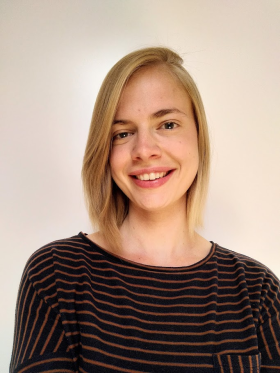
Nina Biesemans
Using concrete case studies and practical examples, we zoom in on challenges that companies face. How can results differ between laboratories, what about measurement uncertainty and does this sample fall under the reporting obligation? Ms. Biesemans guides you clearly through the variations that an analysis can entail and teaches you how to deal with them.
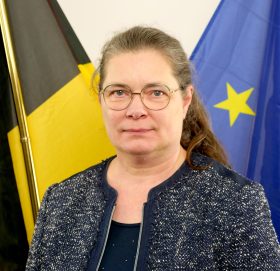
Dr. Christine Vinkx
Setting up Maximum Limits for contaminants
As an expert in food safety standards, Dr. Vinkx provides insight into the development of applicable legislation on contaminants. On the basis of which data are maximum limits set and what does such a procedure look like? What does this mean for companies in the food industry?
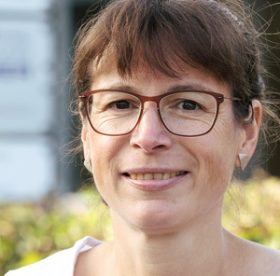
Dr. Silke Bruns
Understanding complex residue definitions and their impact
Dr. Bruns, partner and founder of Lach & Bruns Partnerschaft, guides us clearly through the challenges of complex residue definitions and how to arrive at a correct interpretation. Using concrete examples, the impact becomes clear and this presentation forms a useful part of assessing your analysis result in daily practice.
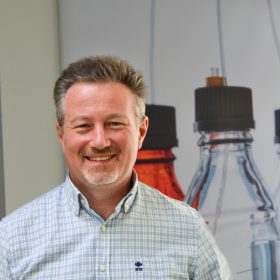
Hans Braeckman
Variability from the sample
Every correct analysis result starts with a correct sampling. A step that often remains out of the spotlight, but can strongly influence your result. The subsequent laboratory processes must also minimize the variability in the sample; a striking example of this is the use of the Slurry method. Mr. Braeckman offers you progressive insights that are important for a better understanding of your sample.
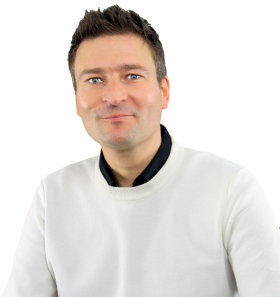
Michaël Colson
FAVV Monitoring Results 2023
The FAVV monitoring results are a permanent fixture of our study afternoon. This year, Mr. Colson provides an explanation of the results of the FAVV control plan for residues of crop protection products from 2023.
Agenda

Practical information
Thursday 20 June 2024 from 12:30
Business Center Qubiz (Aula Schaubroek) – Steenweg Deinze 154, 9810 Nazareth
Adequate parking space provided
Free participation, registration required
Language: Dutch
Registration is possible until Friday 14 June 2024.
Agenda
13.30 - 13.35 - Jurgen Troch, introduction
13.35 - 14.00 - Nina Biesemans
14.00 - 14.25 - Christine Vinkx
14.25 - 14.50 - Silke Bruns
14.50 - 15.20 - pause
15.20 - 15.45 - Hans Braeckman
15.45 - 16.20 - Michaël Colson
16.20 - 16.40 - Q&A with all speakers
16.40 - 16.45 - Hans Vanderhallen, end note
16.45 - 18.00 - network reception